













































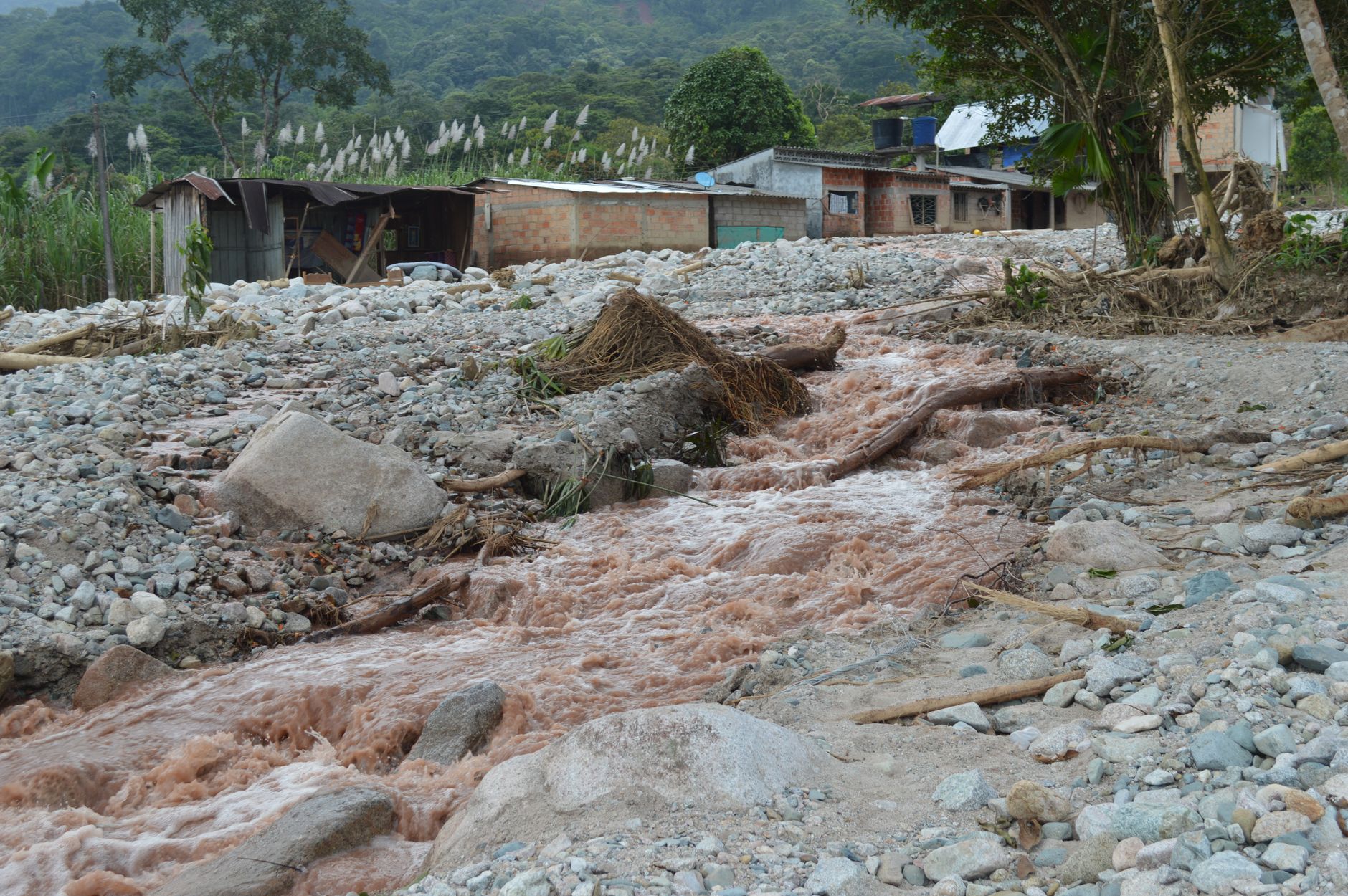
The tragic events witnessed in the border districts of Rajouri and Poonch serve as a grim reminder of the increasing vulnerability of Jammu and Kashmir to extreme weather events. Torrential rains unleashed widespread devastation, leaving behind a trail of destruction, loss of precious lives and extensive damage to homes, roads, public infrastructure and agricultural land. As reports of casualties and irreparable losses continue to emerge, the entire region stands united in grief. Condolences have poured in from all quarters.
No words can truly console those who have lost loved ones or seen their life’s earnings washed away in a matter of hours. Every life lost is a tragedy, and every home damaged represents years of hard work and cherished memories. At this difficult hour, the focus must remain on rescue operations, timely relief and ensuring that those displaced receive immediate shelter, food and medical care.
The impact of the relentless rainfall has not been confined to the hilly districts alone. Srinagar, too, witnessed widespread waterlogging as drains struggled to cope with the volume of rain, disrupting normal life and exposing persistent shortcomings in urban drainage infrastructure. Several low-lying areas remained inundated, causing inconvenience to residents, businesses and commuters alike.
Across the Union Territory, reports of landslides have blocked highways and interior roads, while a sudden rise in the water levels of rivers, tributaries and nallahs has heightened anxiety among people living along vulnerable stretches. Emergency agencies have remained on high alert, monitoring the situation and issuing timely advisories, but the scale of the challenge underscores the need for greater preparedness.
These incidents are no longer isolated weather anomalies. Scientists have repeatedly warned that climate change is increasing the frequency and intensity of extreme rainfall events across the Himalayan region. Jammu and Kashmir, with its fragile mountains, steep slopes and expanding urban settlements, faces a heightened risk of flash floods, landslides and cloudburst-like situations. Unplanned construction, encroachment on floodplains, shrinking wetlands and inadequate drainage systems have further aggravated the impact of natural disasters.
The lessons from such tragedy must not fade once the skies clear. Disaster management cannot remain confined to emergency response alone; it must evolve into a culture of preparedness. Early warning systems need to reach every vulnerable village in real time. Infrastructure projects must be designed keeping climate resilience in mind. Urban planning should prioritise efficient drainage, protection of natural water channels and preservation of wetlands that act as natural flood buffers. Communities, too, should be educated about disaster preparedness and evacuation protocols.
The resilience of the people of the region has been tested time and again in times of disasters, and history bears testimony to their courage in overcoming adversity. Yet resilience should not become an excuse for repeated suffering. Governments, institutions and citizens must work together to reduce risks before disasters strike rather than merely responding after devastation has occurred.
As the region mourns those who lost their lives in Rajouri and Poonch, the greatest tribute to their memory would be a renewed commitment to building safer, more resilient communities. Nature’s fury may be beyond human control, but the scale of its consequences is not. With foresight, planning and collective responsibility, many such tragedies can be mitigated, if not entirely prevented.