












































By INAYAT RASHID..
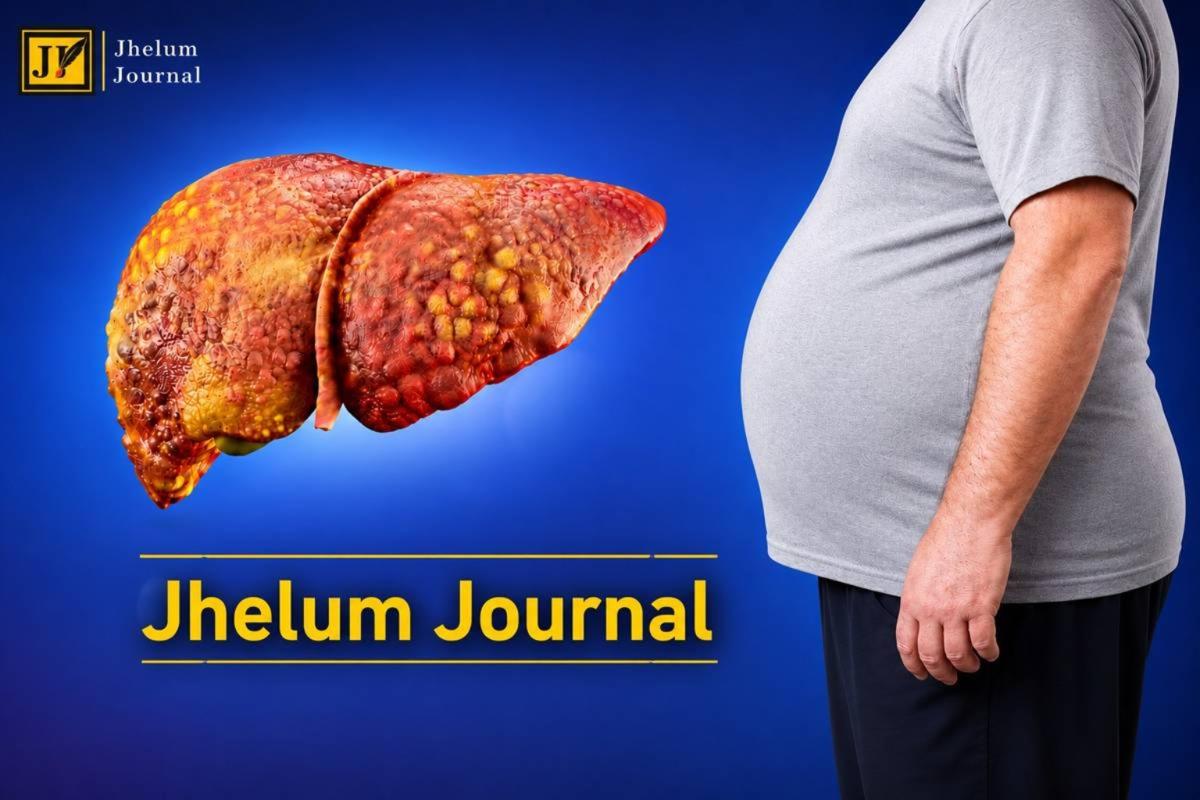
Fatty Liver Disease has become one of the fastest-growing health concerns worldwide, affecting people of all ages, including young adults and even children. Health experts warn that the condition often develops silently, showing little or no symptoms in its early stages, which is why it is frequently referred to as a “silent disease.”
The liver is one of the body’s most important organs, responsible for filtering toxins, aiding digestion, storing nutrients, and regulating metabolism. However, when excess fat accumulates in liver cells, it can interfere with normal liver function and eventually lead to inflammation, scarring, and serious liver complications.
What is Fatty Liver Disease?
Fatty liver disease occurs when more than 5-10 percent of the liver’s weight is made up of fat. While a small amount of fat in the liver is normal, excessive accumulation can become dangerous.
There are two main types:
1. Non-Alcoholic Fatty Liver Disease (NAFLD): This is the most common form and occurs in people who consume little or no alcohol. It is strongly linked to obesity, diabetes, high cholesterol, and unhealthy lifestyles.
Alcohol-Related Fatty Liver Disease (AFLD):This develops due to excessive alcohol consumption, which damages liver cells and promotes fat buildup.
Why Does Fatty Liver Occur?
Several factors can contribute to the development of fatty liver disease, including:
- Obesity and excess body weight
- Type 2 diabetes
- High cholesterol and triglycerides
- Excessive consumption of sugary foods and drinks
- Lack of physical activity
- Excessive alcohol intake
- High blood pressure
- Poor dietary habits
- Certain medications
- Rapid weight loss
- Genetic factors and family history
Medical experts note that obesity and insulin resistance are among the leading causes of fatty liver disease today.
Symptoms of Fatty Liver Disease.
In many cases, fatty liver causes no symptoms during its early stages. However, as the condition progresses, some people may experience:
- Persistent fatigue
- Weakness and tiredness
- Abdominal discomfort, especially on the upper right side
- Loss of appetite
- Nausea
- Unexplained weight loss
- Difficulty concentrating
- Swelling in the abdomen or legs in advanced cases
Doctors advise seeking medical evaluation if these symptoms persist.
Foods That Can Help Fatty Liver
Recommended Foods
✔ Fresh fruits such as apples, oranges, berries, guava, and pomegranate
✔ Green leafy vegetables including spinach, kale, lettuce, and cabbage
✔ Whole grains such as oats, brown rice, whole wheat, and millet
✔ Lean proteins including fish, chicken (without skin), eggs, lentils, beans, and chickpeas
✔ Healthy fats from nuts, seeds, olive oil, and avocados
✔ Green tea in moderation
✔ Plenty of water throughout the day
✔ Foods rich in fiber, which help reduce fat accumulation in the liver
Foods to Avoid..
Health specialists warn that certain foods can worsen fatty liver and should be limited or avoided.
❌ Sugary drinks and soft drinks
❌ Excessive sweets, chocolates, cakes, and pastries
❌ Fast food and fried foods
❌ Processed snacks such as chips and packaged foods
❌ White bread and refined flour products
❌ Excessive red meat consumption
❌ Foods high in saturated and trans fats
❌ Excessive alcohol intake
❌ Highly processed meats like sausages and salami
Can Fatty Liver Be Reversed?
The good news, according to health experts, is that fatty liver disease can often be reversed, particularly in its early stages.
Weight loss of just 5-10 percent of body weight can significantly reduce liver fat and improve liver function. Regular exercise, dietary improvements, and management of underlying conditions such as diabetes and high cholesterol are considered the most effective treatments.
How is Fatty Liver Diagnosed?
Doctors may diagnose fatty liver through:
- Liver function blood tests
- Ultrasound scans
- CT or MRI scans
- FibroScan
- Liver biopsy in certain advanced cases
Regular health check-ups can help detect the condition before complications develop.
Expert Advice..
Doctors recommend maintaining a healthy weight, exercising for at least 30 minutes most days of the week, eating a balanced diet, controlling blood sugar levels, and avoiding excessive alcohol consumption.
As cases continue to rise globally, healthcare professionals urge people not to ignore routine health screenings, stressing that early detection and lifestyle changes can protect liver health and prevent long-term complications.