









































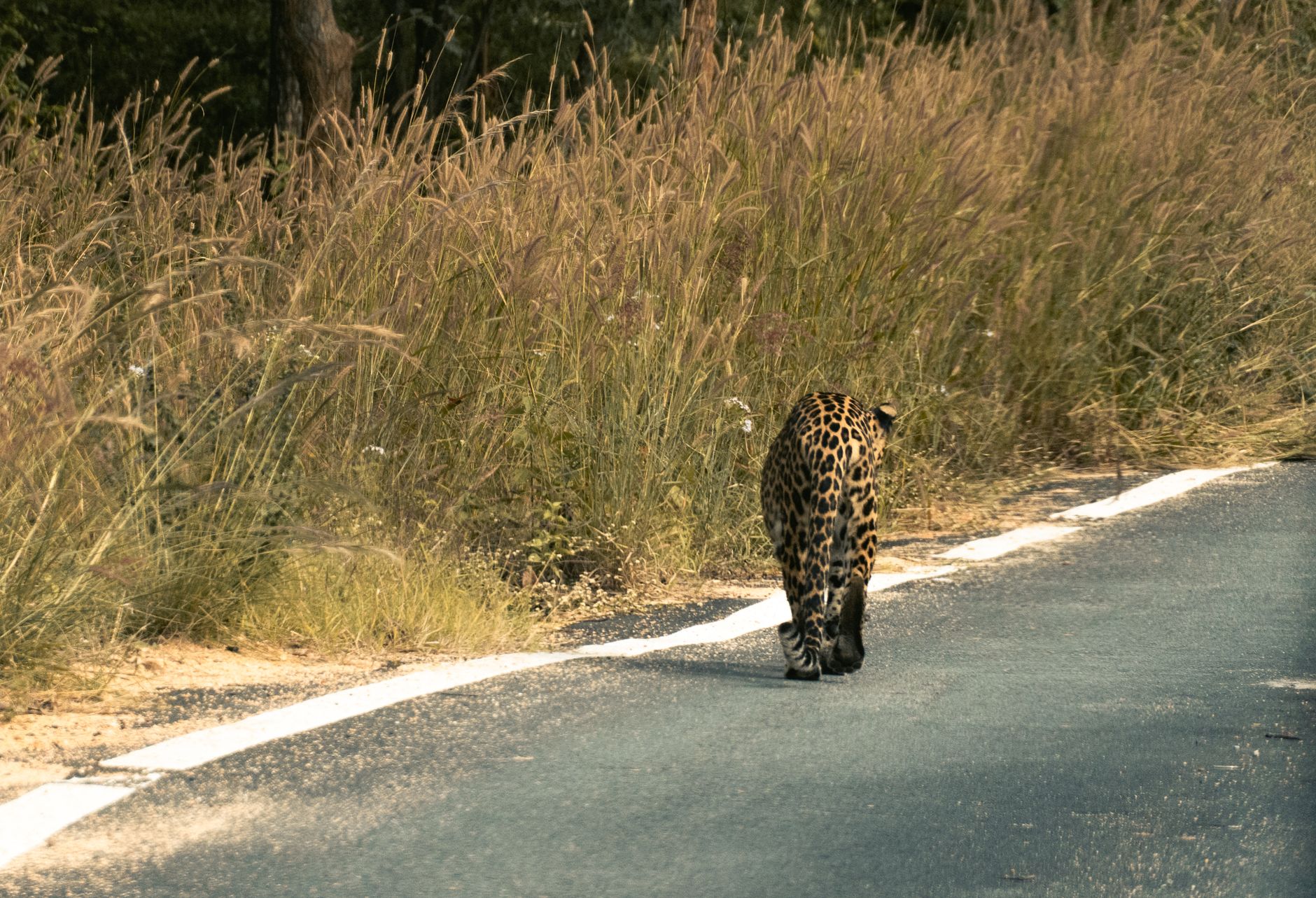
The recent incident in Shopian, where a six-year-old girl was injured after a leopard entered a residential house, is yet another stark reminder that the man-animal conflict in Jammu and Kashmir has reached a level that demands urgent and sustained attention. While the child is fortunate to be receiving medical treatment, the episode has once again exposed the growing proximity between human settlements and wildlife habitats, a reality that poses risks to both people and animals.
Over the years, encounters between humans and wild animals, particularly leopards and black bears, have become increasingly frequent across Kashmir. Villages located near forests have traditionally coexisted with wildlife, but what was once an occasional occurrence is now becoming disturbingly common. Reports of leopards straying into residential areas, bears damaging crops, and attacks on livestock and humans have become recurring headlines rather than isolated incidents.
The reasons behind this growing conflict are complex. Expanding human settlements, shrinking forests, changing land-use patterns and the impact of climate change have gradually reduced the natural habitat and prey available to wild animals. As forests become fragmented and food sources diminish, animals are forced to venture closer to villages in search of sustenance. At the same time, increased human activity near forest fringes has further narrowed the buffer between people and wildlife.
The challenge, however, cannot be addressed through reactive measures alone. Every incident is followed by rescue operations, heightened vigilance and temporary advisories, but lasting solutions require a comprehensive strategy. Strengthening forest protection, restoring wildlife habitats and maintaining ecological corridors are essential to reducing encounters. Equally important is the deployment of rapid response teams equipped to safely capture and relocate animals before tragedy strikes.
Communities living in vulnerable areas must also become active partners in conservation. Public awareness about avoiding risky behaviour, securing livestock, proper disposal of waste that may attract animals, and promptly reporting wildlife sightings can significantly reduce conflict. Schools, village committees and local administrations should work together to build preparedness and awareness, particularly in areas with a history of such incidents.
Technology, too, has an important role to play. Camera traps, early warning systems, drone surveillance in sensitive zones and GPS-based monitoring of wildlife movement can help authorities anticipate and respond more effectively. Compensation mechanisms for victims and those who lose livestock or property should also be prompt and transparent to maintain public confidence.
Ultimately, the conflict is not between humans and wildlife alone; it is a consequence of an increasingly fragile relationship between development and nature. Protecting wildlife does not mean compromising human safety, just as ensuring public security should not come at the cost of ecological balance. Both objectives are achievable through informed planning and scientific management.
The injured child in Shopian represents more than a tragic incident. She represents a warning that coexistence cannot be left to chance. Jammu and Kashmir’s rich biodiversity is an invaluable natural heritage, but preserving it requires creating conditions where people feel secure and wildlife can survive within its natural habitat. The time has come to move beyond crisis management towards a long-term policy that safeguards both human lives and the wild landscapes they share.