































By INAYAT RASHID.
In an age dominated by smartphones, social media, online entertainment, and increasing academic pressure, millions of people are sacrificing sleep without realizing the serious impact it can have on their health. What may seem like “just one more hour” awake at night can gradually turn into a major health risk.
Health experts describe inadequate sleep as a silent health crisis, warning that consistently sleeping late and getting less than the recommended amount of rest can affect nearly every organ in the body.
Why Sleep Matters?
Sleep is the body’s natural recovery process. During sleep, the brain processes information, repairs cells, strengthens memory, regulates hormones, and boosts the immune system. Without enough sleep, these essential functions begin to suffer.
Experts recommend:
- Adults: 7–9 hours of sleep daily
- Teenagers: 8–10 hours of sleep daily
- Children: Even more, depending on age
The Hidden Dangers of Late Sleep
Many people believe that sleeping late and waking up late is harmless. However, health specialists say that regularly staying awake beyond midnight disrupts the body’s biological clock, leading to several health issues.
Effects of Poor Sleep Include:
🔹 Higher risk of diabetes, heart disease, and high blood pressure
🔹 Constant fatigue and low energy
🔹 Difficulty concentrating and remembering things
🔹 Mood swings, stress, anxiety, and irritability
🔹 Frequent headaches
🔹 Reduced productivity at work and school
🔹 Weak immunity and increased illness
Young People Most Affected
Students and young adults are among the worst affected by poor sleep habits. Many spend late nights scrolling through social media, watching videos, gaming, or studying, often at the expense of their health.
Medical experts warn that sleep deprivation can reduce learning ability, weaken memory, and negatively affect academic performance.
Mobile Phones: The Biggest Sleep Killer
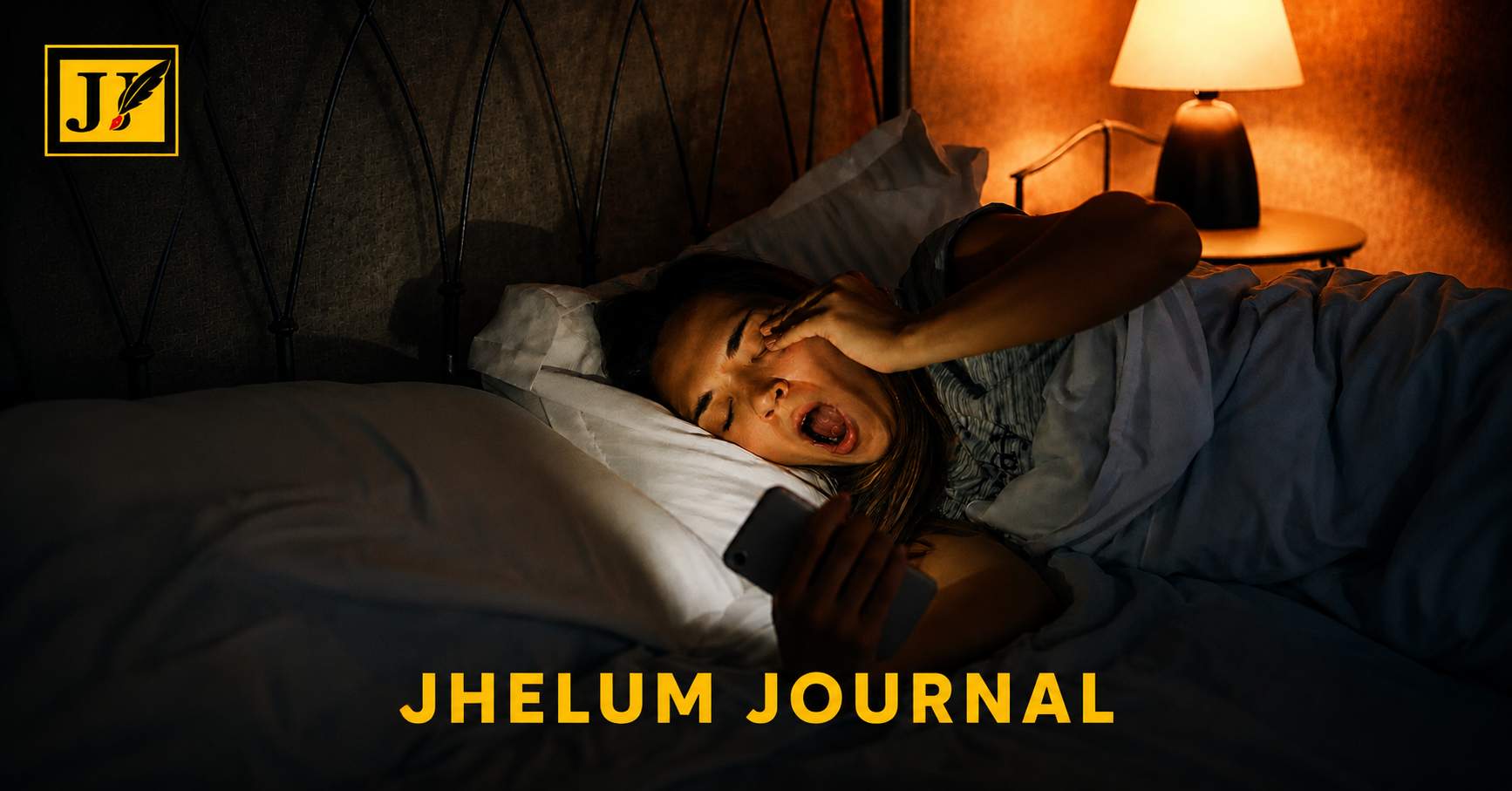
One of the leading causes of poor sleep today is excessive smartphone use before bedtime. The blue light emitted from screens suppresses melatonin—the hormone responsible for making us feel sleepy.
As a result, people take longer to fall asleep and experience lower-quality rest.
Warning Signs You Are Not Getting Enough Sleep
You may be sleep-deprived if you:
- Feel tired throughout the day
- Struggle to wake up in the morning
- Depend heavily on caffeine
- Have difficulty focusing
- Experience mood changes frequently
How to Improve Sleep Quality
Health experts recommend: ✔ Going to bed and waking up at the same time daily
✔ Avoiding screens at least one hour before bedtime
✔ Reducing caffeine intake in the evening
✔ Exercising regularly
✔ Keeping the bedroom quiet, dark, and comfortable
✔ Getting at least 7–9 hours of sleep every night
Conclusion
Sleep is not wasted time—it is an investment in health. While modern lifestyles encourage late nights and constant screen use, experts stress that proper sleep is essential for physical health, mental well-being, and long-term success.
The body can survive for days without many things, but it cannot function properly without sleep.