



































The Union Government has said that glaciers in Jammu & Kashmir and Ladakh are being closely monitored under various national programmes to assess the impact of climate change on the Himalayas.
Minister Dr. Jitendra Singh said the Ministry of Earth Sciences, through NCPOR, is tracking key glaciers under the Cryosphere and Climate Programme to study their response to warming and its effect on water resources. The Department of Science and Technology is also supporting glacier research under national climate missions.
The NDMA’s GLOF Risk Mitigation Programme is being implemented in J&K, Ladakh, and other Himalayan states to set up Early Warning Systems for glacial lake outburst floods.
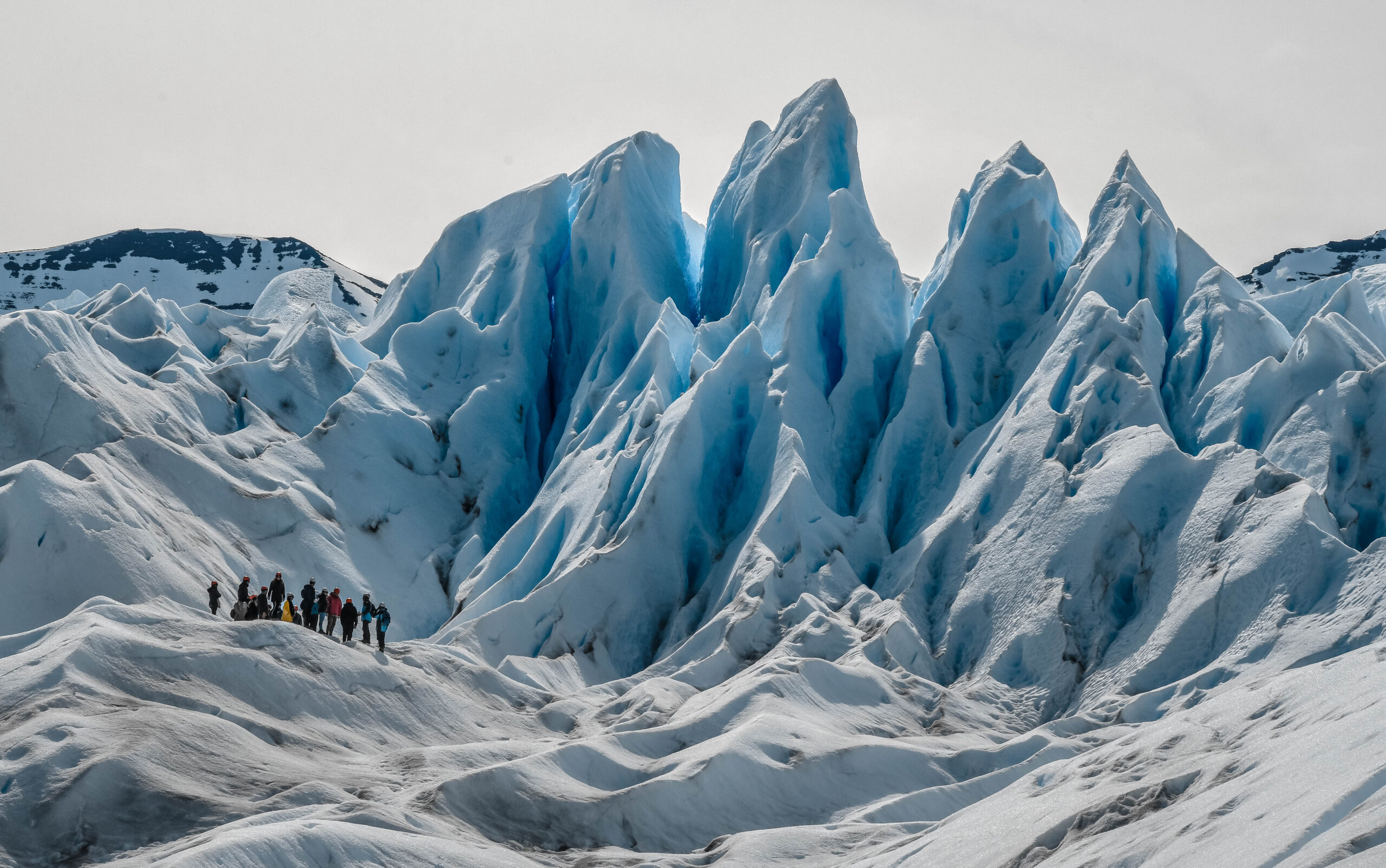
Government data shows Hindu Kush Himalayan glaciers are retreating at an average of about 15 metres per year. In the Chandra basin, six glaciers monitored since 2013 have lost around 6% of their area in 20 years, with retreat rates of 13–33 metres annually.
Over 20 institutions—including NCPOR, GSI, WIHG, NRSC, and universities in Kashmir, Jammu, Ladakh, and Delhi—are studying glacier melt. Two glacial lakes in Sikkim are monitored in real time, and Centres of Excellence for Glacial Studies operate at universities in Sikkim, Tezpur, and Kashmir.
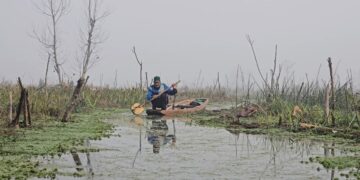
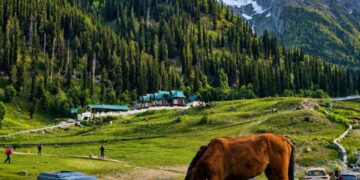
On the ground, glaciers like Kolahoi are rapidly thinning, affecting irrigation, alpine habitats, and wildlife. Kolahoi has lost nearly a quarter of its area in six decades, with rising temperatures reducing streamflow and increasing risks to agriculture, biodiversity, and downstream communities.