










































Climate change is no longer a prediction confined to scientific reports, it is a reality that is reshaping lives, economies and ecosystems across the globe. Rising temperatures, erratic rainfall, melting glaciers, prolonged droughts and extreme weather events have become increasingly common. While the consequences are being felt worldwide, ecologically sensitive regions like the Kashmir Valley are among the most vulnerable.
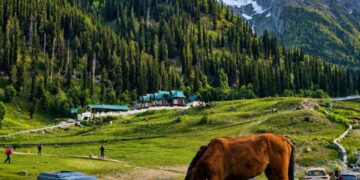
For centuries, Kashmir has been known for its snow-capped mountains, pristine lakes, dense forests and moderate climate. However, this natural balance is under unprecedented stress. Winters are becoming shorter and drier, snowfall has become erratic, summers are growing warmer, and rainfall patterns have become increasingly unpredictable. These changes are no longer isolated incidents but part of a broader climatic trend that threatens the Valley’s environment and economy.
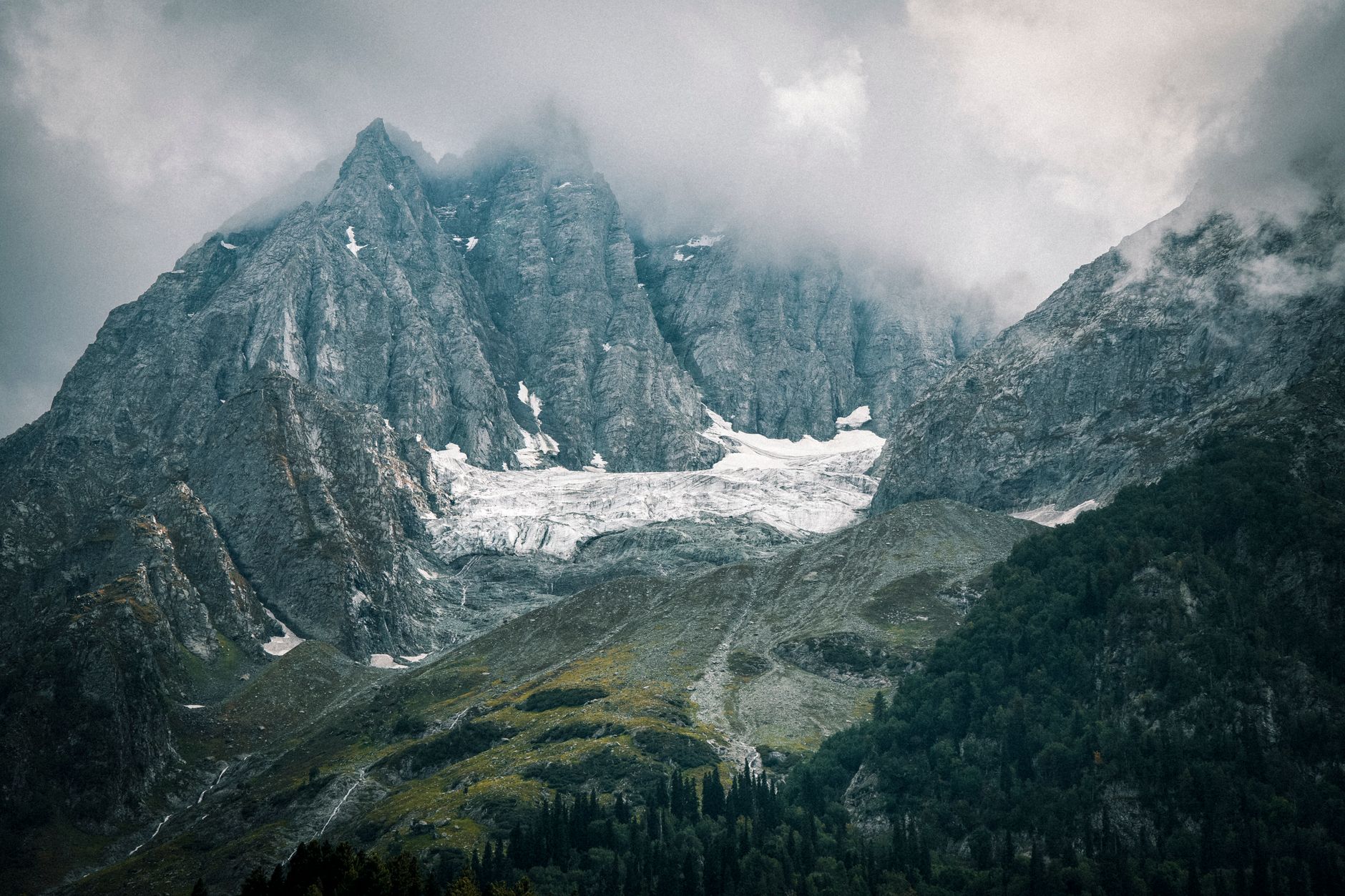
One of the most visible indicators of climate change in Kashmir is the rapid retreat of glaciers. Glaciers often regarded as the lifeline of the rivers, are shrinking steadily due to rising temperatures. As glaciers recede, the long-term availability of freshwater is at risk, affecting agriculture, drinking water supplies and hydropower generation. Reduced snowfall also means lower water recharge, leading to declining stream flows during the summer months.
Agriculture and horticulture, which provide livelihoods to thousands of families, are equally vulnerable. Apple orchards, saffron fields and paddy cultivation increasingly face the impact of unseasonal rains, hailstorms, prolonged dry spells and rising temperatures. These changing weather patterns reduce productivity, increase pest infestations and create uncertainty for farmers whose incomes depend on predictable seasons.
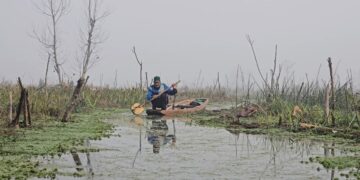
Climate change has also increased the frequency of extreme weather events. The devastating floods of 2014 demonstrated how vulnerable the Valley is to intense rainfall and poor urban planning. More recently, dry winters and prolonged heatwaves have raised concerns over water scarcity, forest fires and declining groundwater levels. Lakes and wetlands, including Dal and Wular, face additional pressure from pollution, encroachment and changing climatic conditions, threatening biodiversity and tourism alike.
Addressing climate change requires collective responsibility. Governments must strengthen climate-resilient infrastructure, promote renewable energy, protect forests and wetlands, and improve disaster preparedness. Equally important is public participation through water conservation, sustainable farming, responsible tourism, waste management and afforestation. Educational institutions can play a vital role in creating environmental awareness among young people.
Kashmir’s natural beauty is not merely its identity; it is the foundation of its economy, culture and way of life. Protecting this fragile ecosystem is no longer an environmental choice but an economic and social necessity. Climate change is a challenge that transcends borders and generations. The actions we take today will determine whether future generations inherit a thriving paradise or a landscape struggling to recover from human neglect.