






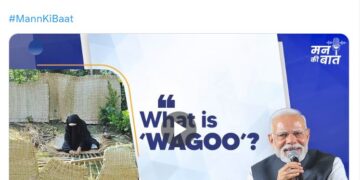
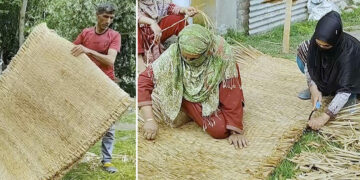




























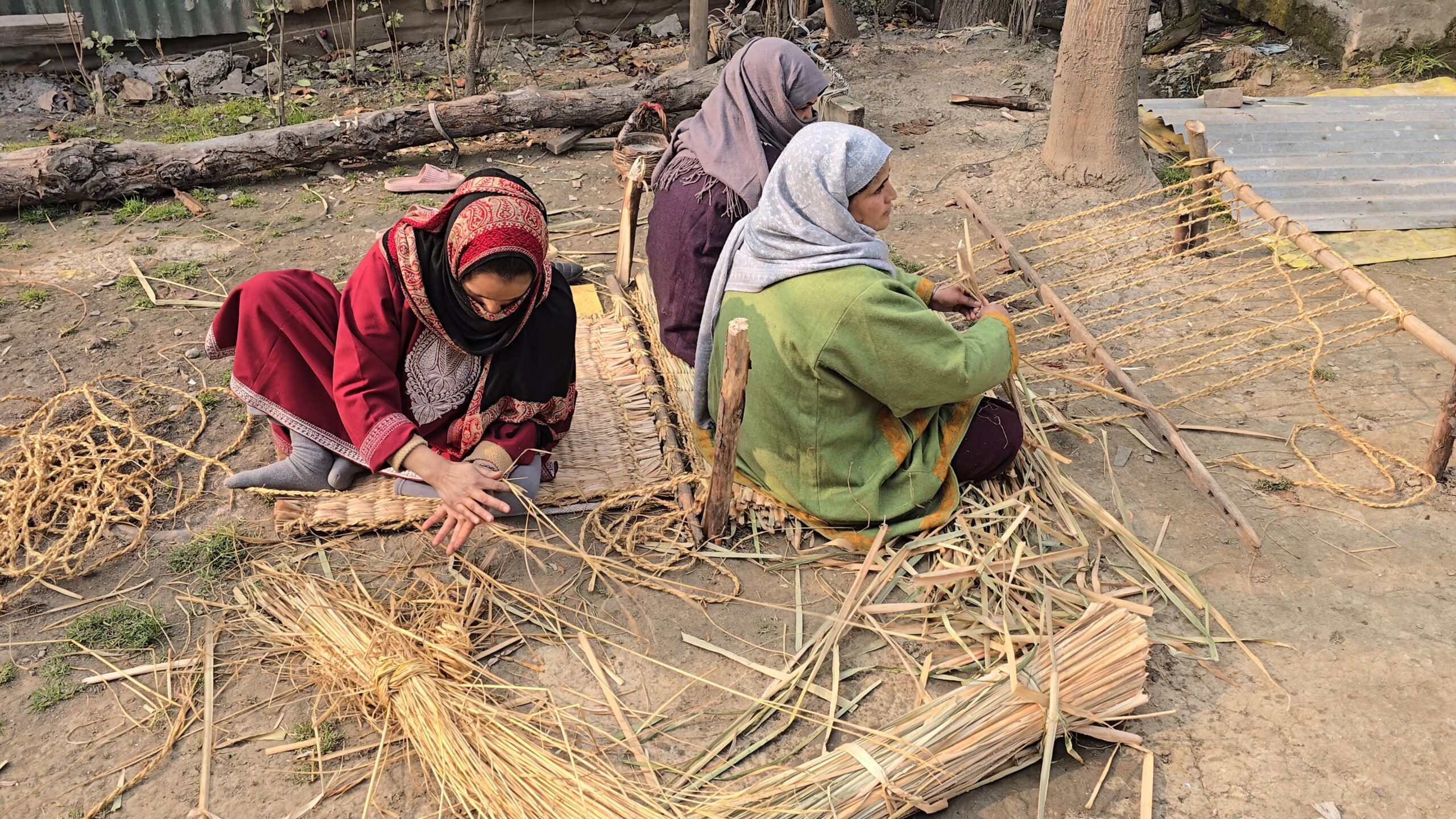
In an age defined by fast fashion and synthetic interiors, an unlikely revival is taking place in the interiors of Mir Behri, Kashmir. Woven not from wool or silk, but from dried grass gathered from paddy fields, Wagoo a centuries-old Kashmiri mat has returned from near extinction.
At the center of this revival is Zameer Hussain, a local craftsman who refused to let a piece of his heritage disappear.
A Craft Remembered
For years, Wagoo existed only in memory. Zameer recalls his childhood vividly watching his mother and aunts sit together, patiently weaving grass into sturdy mats that once covered Kashmiri homes.
After nearly twelve years away from the craft, those memories resurfaced with urgency.
“I realised we were losing something irreplaceable,” Zameer says. “Wagoo was not just a mat it was part of who we were.”
What followed was a determined effort to resurrect a tradition long overshadowed by modern alternatives. With the help of friends and community members, Zameer began reconstructing the process step by step, strand by strand.
The Art of Grass Weaving
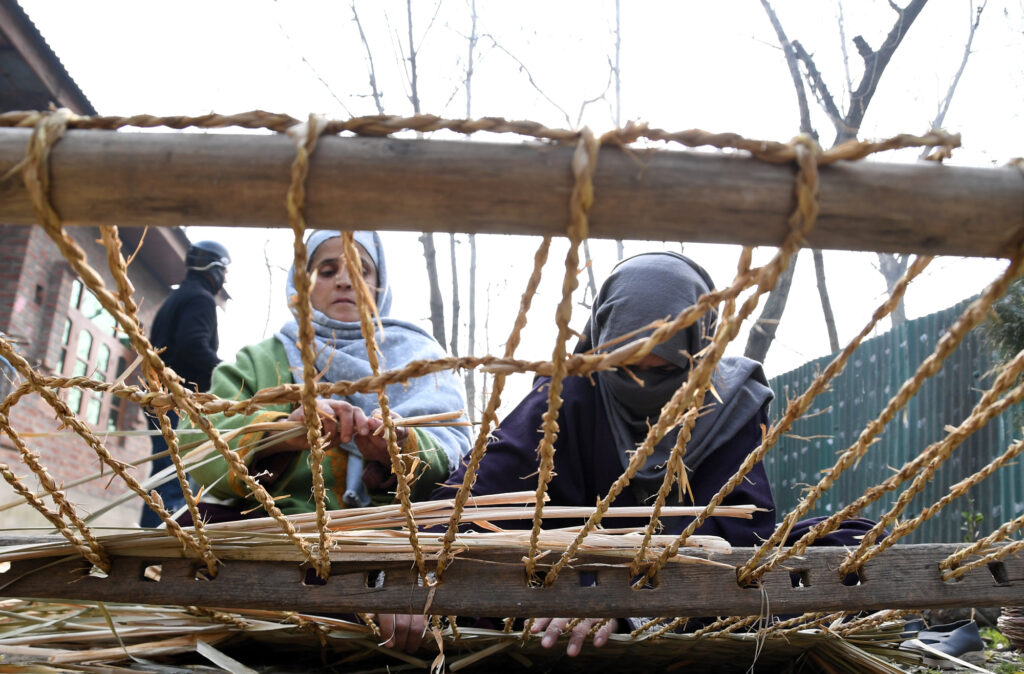
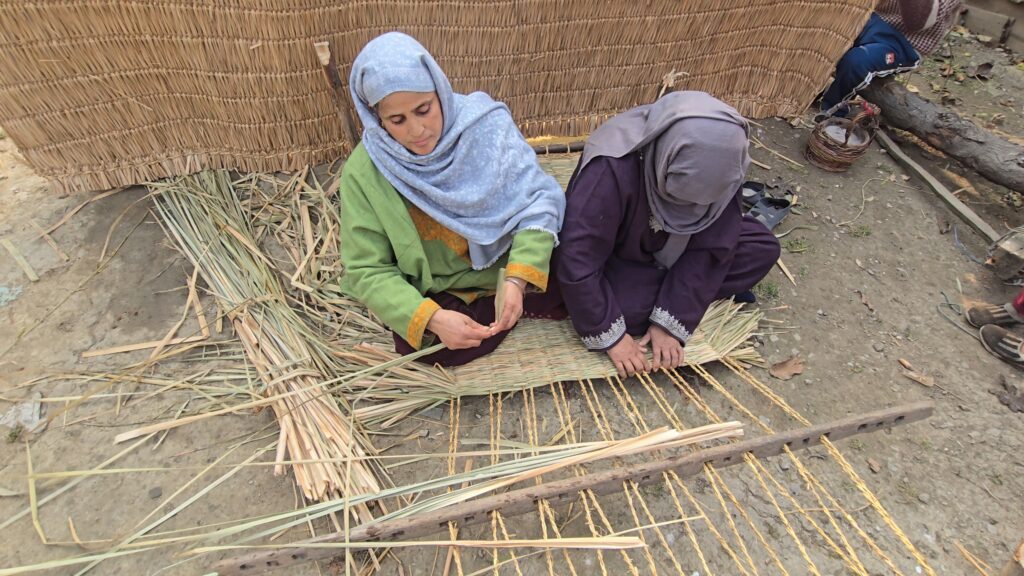
Wagoo is crafted from long, dry grass harvested after the paddy season. The grass is soaked until pliable, then rubbed between the palms and braided into thick cords. These cords are woven between two horizontal strands stretched across solid wooden logs on a traditional loom known locally as the “Wagoo Waan” a simple yet ingenious setup passed down through generations.
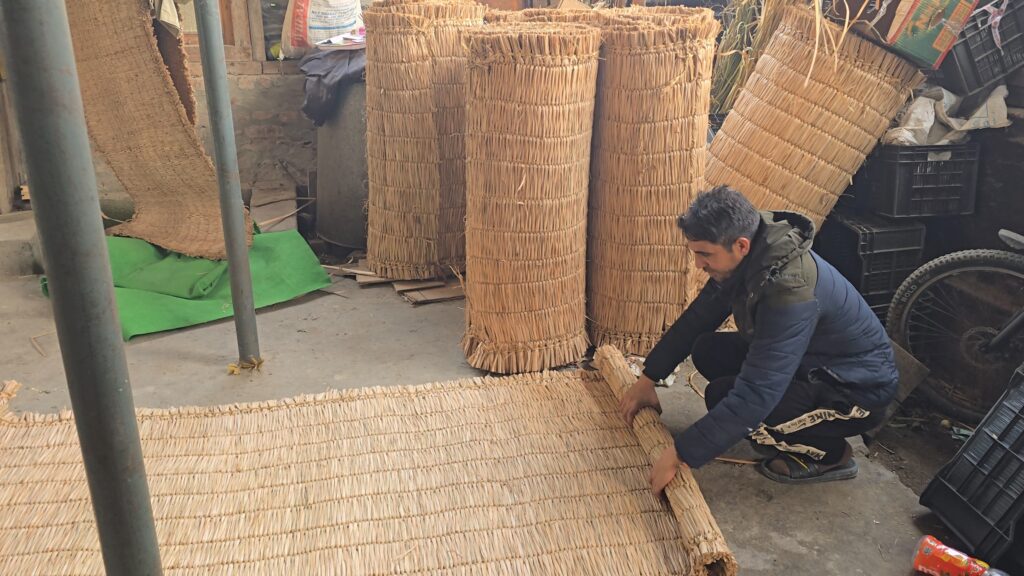
Each mat takes two to three days to complete, depending on size. The result is a durable, textured surface that naturally insulates against Kashmir’s harsh winters while remaining cool in summer.
Historically made from Typha angustifolia (reed grass) and rice straw, Wagoo is entirely biodegradable an early example of sustainable design, long before the term entered global vocabulary.
From Forgotten Floor Mat to GI-Tagged Heritage
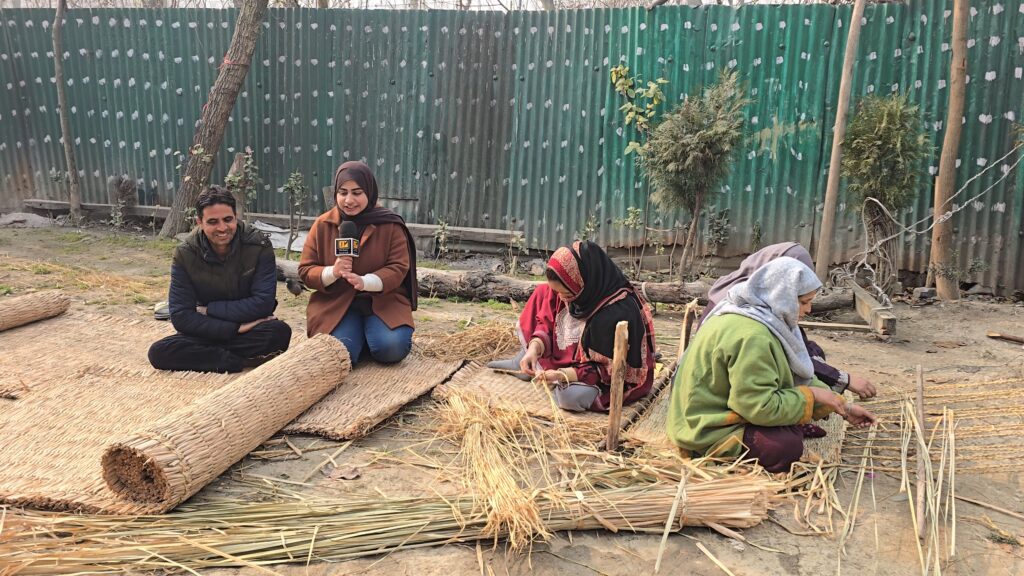
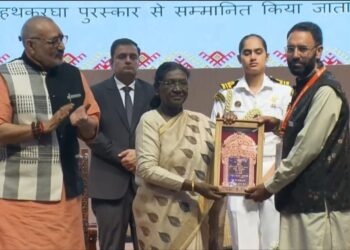
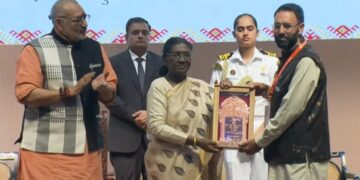
Zameer’s efforts did more than revive a craft. In a significant milestone, Wagoo was granted Geographical Indication (GI) status, officially recognising it as a unique product of Kashmir and protecting its cultural legacy.
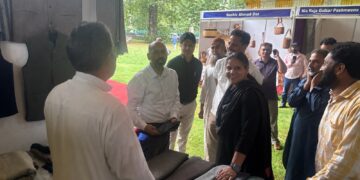
The revival has also created modest but meaningful employment. Zameer first trained his wife, who went on to teach other women in the neighbourhood. Today, a growing group of women artisans are once again weaving Wagoo earning livelihoods while preserving tradition.
“This work brings dignity,” Zameer says. “It connects us to our past and gives us a future.”
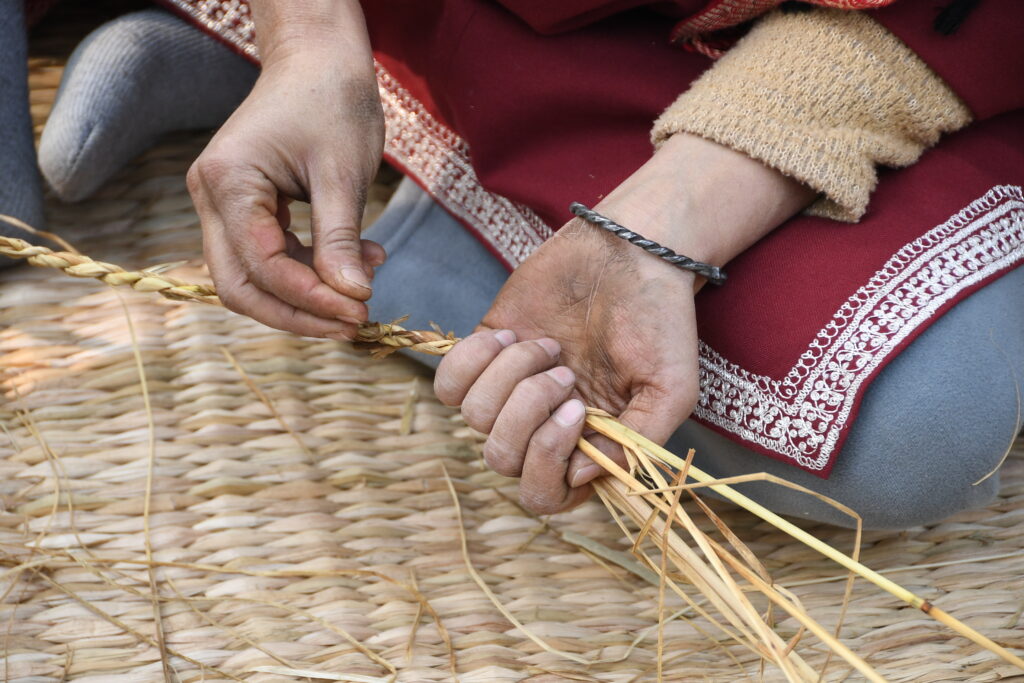
A Sustainable Identity
As the world increasingly turns toward eco-conscious living, Wagoo stands as a quiet reminder that sustainability is not new it is ancestral. Made entirely from natural materials and requiring no industrial machinery, the mat embodies circular living at its purest.
More than a functional household item, Wagoo is a symbol of Kashmiri resilience a story of memory, community, and the belief that heritage can be reclaimed.
In bringing Wagoo back to life, Zameer Hussain has done more than revive a forgotten carpet. He has rewoven a cultural identity one blade of grass at a time.
Photos : Firdous Qadri & Mehraj Bhat